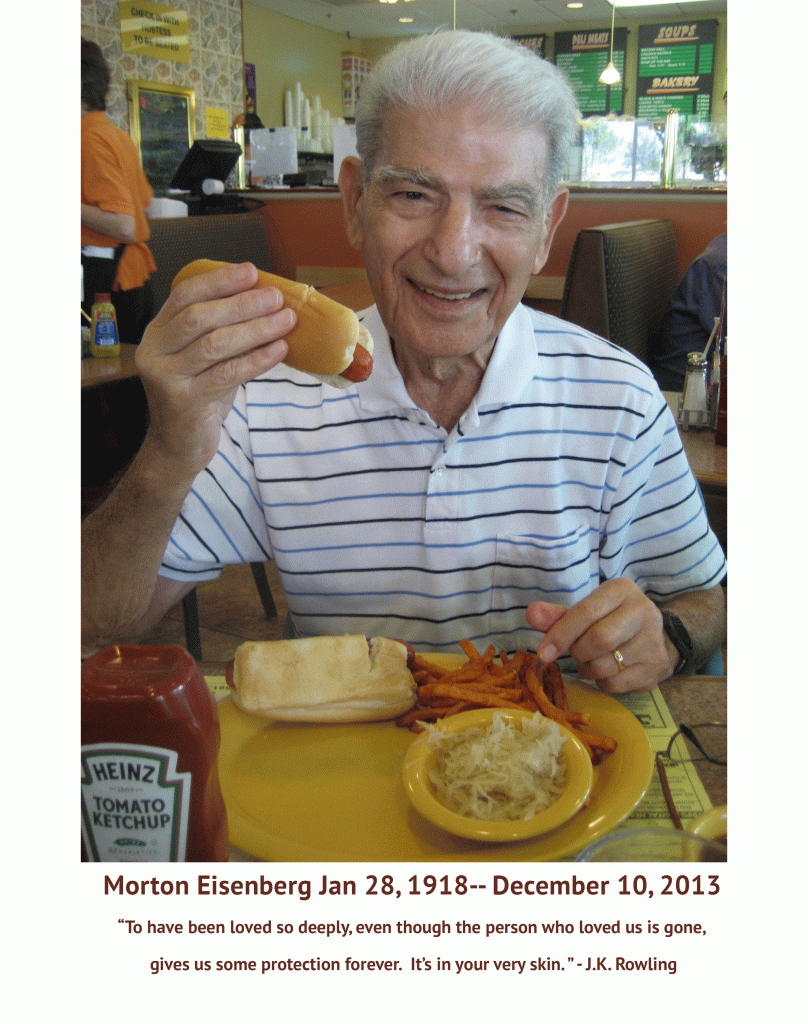
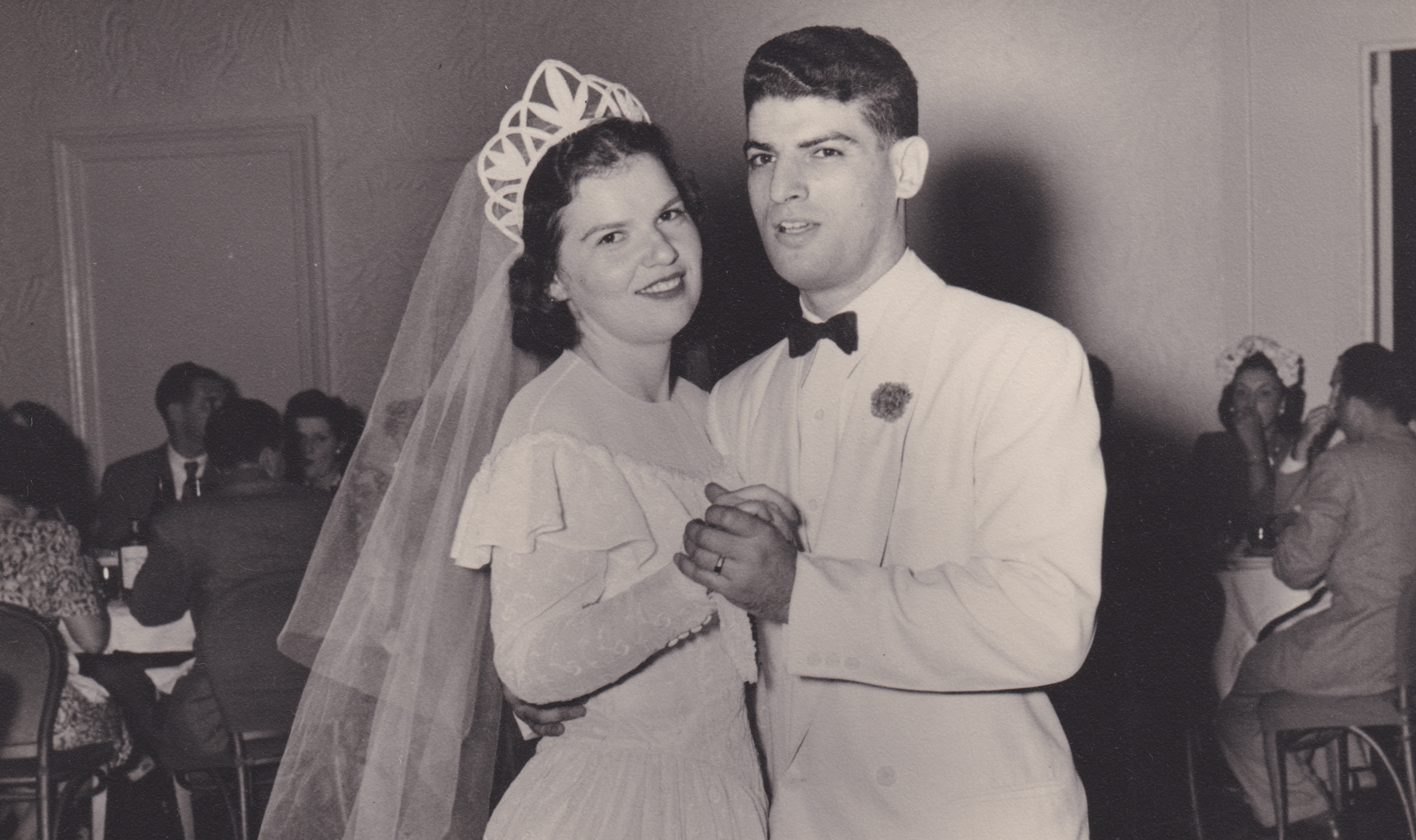
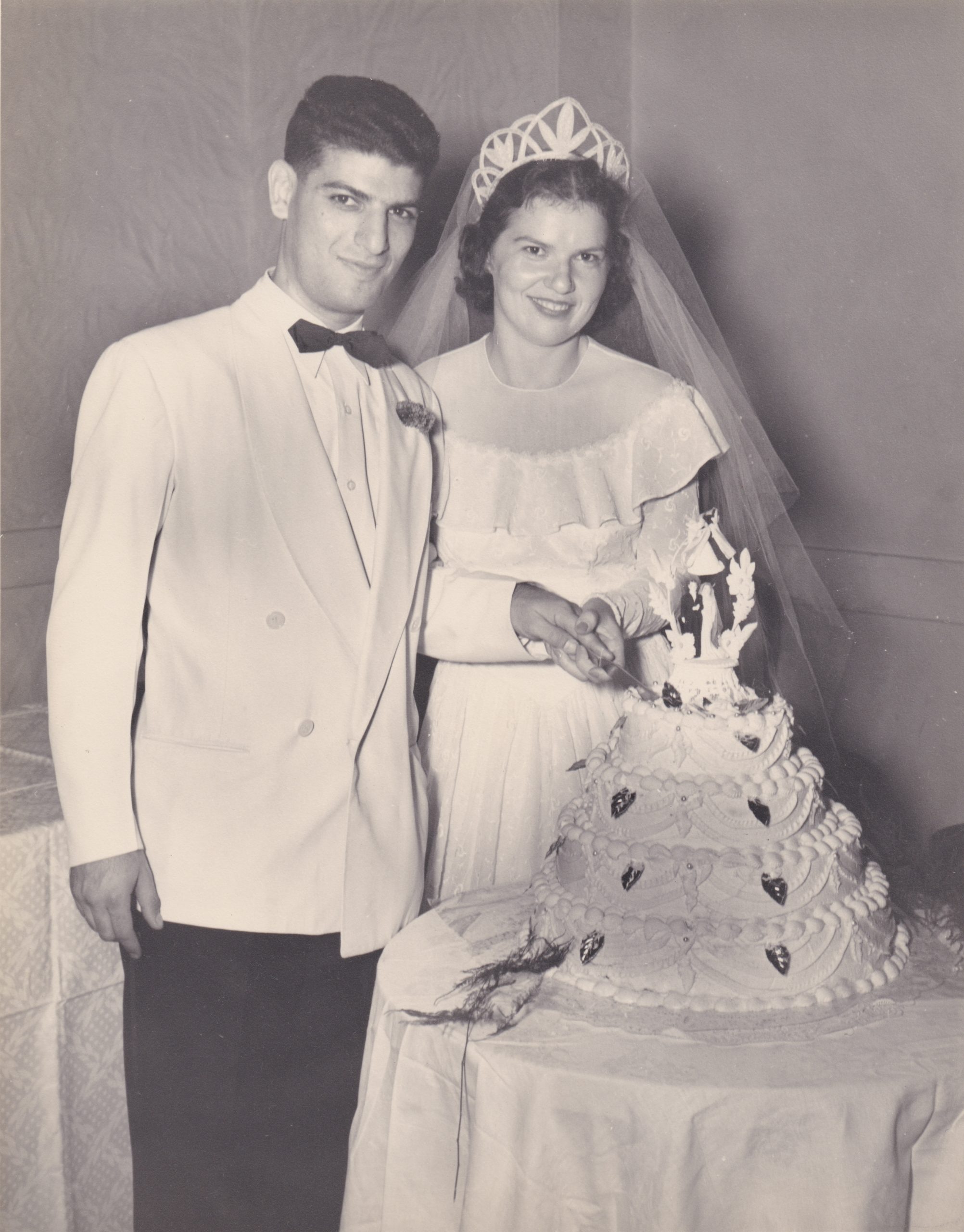
My father, Morton Eisenberg, January 28, 1918-Dec. 10, 2013 was a president, twice: he served his union at RCA and our synagogue in Phila. He was humble and impressive, funny and organized. I thought (and think) that he was great! He and my mother were a wonderful, loving, parental team.
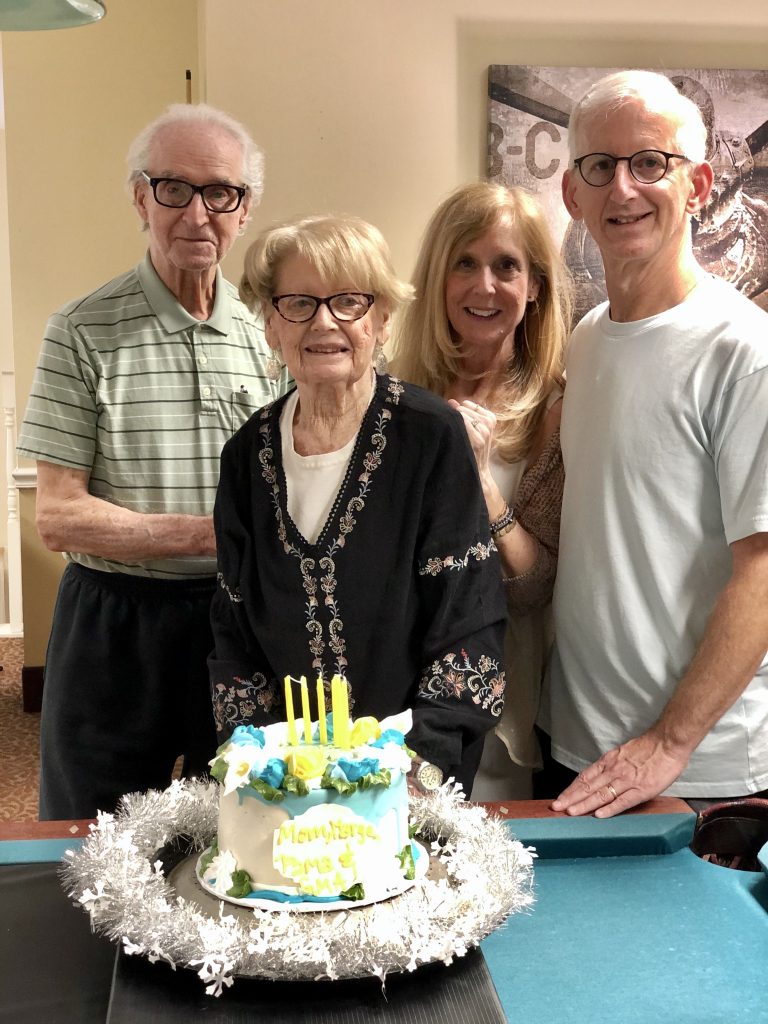
In the 1980’s, I interviewed my parents as they sat drinking coffee in their Delray, Florida kitchen. Here are two stories from then. You can see him above on his 90th birthday. That was a great day for him, eating his two-hot-dog birthday treat.
Dad as President of the Union
In 1954 Dad became president of the Camden RCA engineering union called ASPEP, the Association of Professional Engineering Personnel. He had been vice-president for six months, but was catapulted to the position of president when the current president took a management position at RCA and was no longer eligible for the union.
The union started in 1949, and Dad is proud of it, saying it is one of the longest lasting independent (i.e. not affiliated with the AFL-CIO) engineering unions still functioning. When it was created, there was an active draftsman and shopworker’s union, but the engineers were not represented. The Korean War of 1950 had spurred on the creation of the union, as RCA swelled with defense contracts.
The interesting thing about Dad’s presidency was that it was during the “McCarthy era,” when Senator Joe McCarthy ran a nationwide witchhunt, looking for communists in all aspects of the government, business, and the entertainment industries. Often people were accused of being communist with little or no proof; sometimes friends were forced to turn in innocent friends to save their own jobs.
The problem was hitting RCA from both ends-both personnel and the management were suffering. It hit the employees and the unions when some engineers at RCA were accused of being communists and were then losing their government security clearance. Clearance was controlled by kangaroo court clearance system that had no established means for protest or defense by the accused. These engineers at RCA were then in danger of losing their jobs, and went to the union for support. Dad said the union was unsure about supporting them, particularly with legal assistance (for defense against the government). The McCarthy era also affected management, as RCA worried about losing valuable government contracts, because some personnel who had been assigned to work on the contracts no longer had the required security clearance.
Dad was never in management, but he was rated an “A” engineer (AA being the best, A being the second, B being the third best, etc.), and was therefore at the upper end of the engineer pay scale. Why did he never become a manager, after 45 years at RCA? Dad modestly describes himself as more of a worker, not a queen bee type; he said he fantasized himself in the Army as an infantryman sword carrier–not a general. Also, to be a manager required that one had to always be coming up with new, creative, innovative ideas–according to Dad, not his strong suite.
Even though Dad’s tenure in the union was brief, he had a wide impact on his fellow engineers. He stayed up all night in a Philadelphia hotel in one night in 1954 to negotiate a new union contract for the 2000 engineers at the RCA Camden Plant. This union contract formalized many of the company’s personnel policies about working conditions, and when layoffs and firings could occur. Salaries were also improved as a result of this contract–Dad and every other engineer in the union got a raise, commensurate with their grade.
Dad decided to not run for reelection for President of the union at the end of the term, because he was convinced that someone else might do a better job.
But the union never forgot Dad’s loyalty. During one of the company layoffs in the 60’s or 70’s brought on by the cyclical nature of RCA’s defense contracts, RCA tried to reduce Dad’s grade, and therefore his salary. But Dad protested to the union, and they negotiated on his behalf and was able to maintain his grade and, therefore, his salary.
Dad as President of the Synagogue
In 1962, Dad again took on an active volunteer role as president of Temple Beth Torah, our reform synagogue in Northeast Philadelphia. During his term of presidency, which lasted 3years, he presided over some interesting turns of events.
The first was the building of the new sanctuary. Our synagogue had been located on Roosevelt Boulevard at Brous St, and even had a different name – Boulevard Temple. But the neighbor hood was turning gentile, so the decision was made to follow the Jews North and East. The old Boulevard Temple, a long building with rooms along one side, was sold to The Knights of Pythias and our synagogue bought ground at 608 Welsh Road. When we bought the ground, all that was standing on it was a large old mansion, which was used for quite some time for office space and religious school classes; for services we borrowed the sanctuary of the church across the street.
With fundraising, particularly from the a timely bequeath from one of the Temple’s members, money was obtained to hire an architect, and the new synagogue was designed and built. The new synagogue was called Temple Beth Torah. Dad worked with the architect to help plan the new building and helped guide him in avoiding mistakes (such as putting the kitchen in the basement, as he originally proposed) to create the useful building design that stands today.
The second interesting turn of events that happened during Dad’s presidency was much sadder; a loss, not a gain. Rabbi Dworkin, our charismatic but tactless Rabbi was asked to step down in 1968–he had offended one congregant too many with a thoughtless comment. We knew he was unusual–what other Rabbi drove a Rolls Royce (albeit an “old one”).
We knew he had problems–his daughter Syvia was hit by a car when she was 4 and never was quite the same. But the congregation just couldn’t make it work, even though Dad tried to mediate. Dad, with his tactful, kind manner was able to be friends with the Rabbi and gently give him the sad news of his contract not being renewed by the new president. Years later, when Rabbi Dworkin returned to Philadelphia from his new congregation in New York, it was Dad and our family that he came to visit.
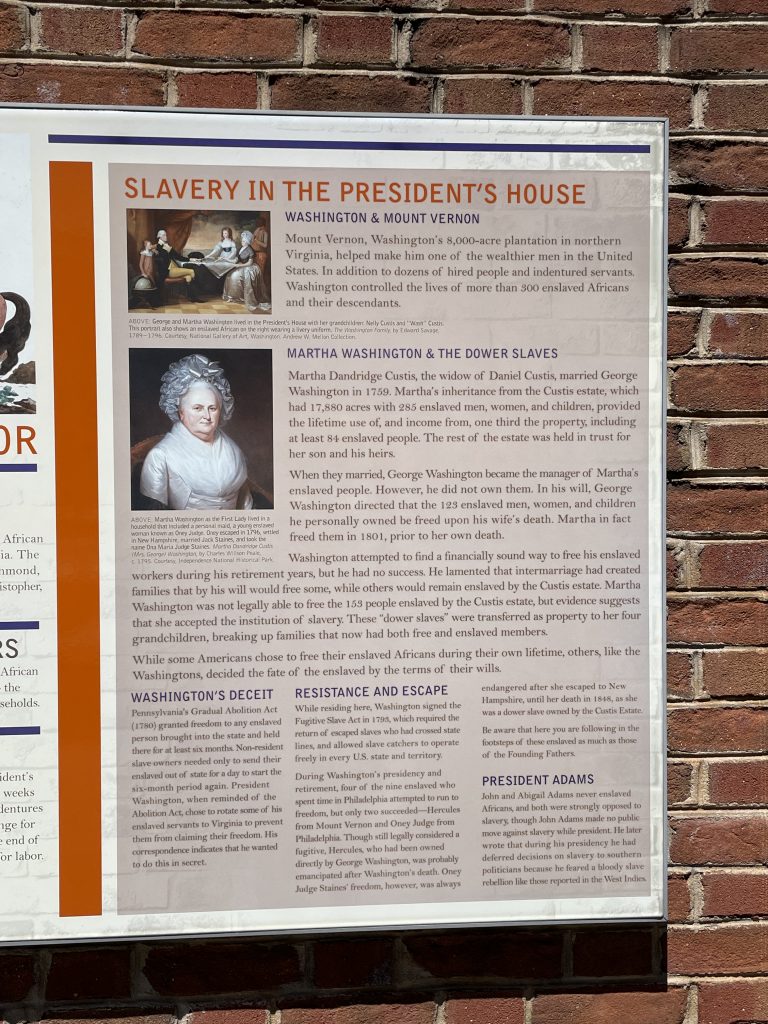
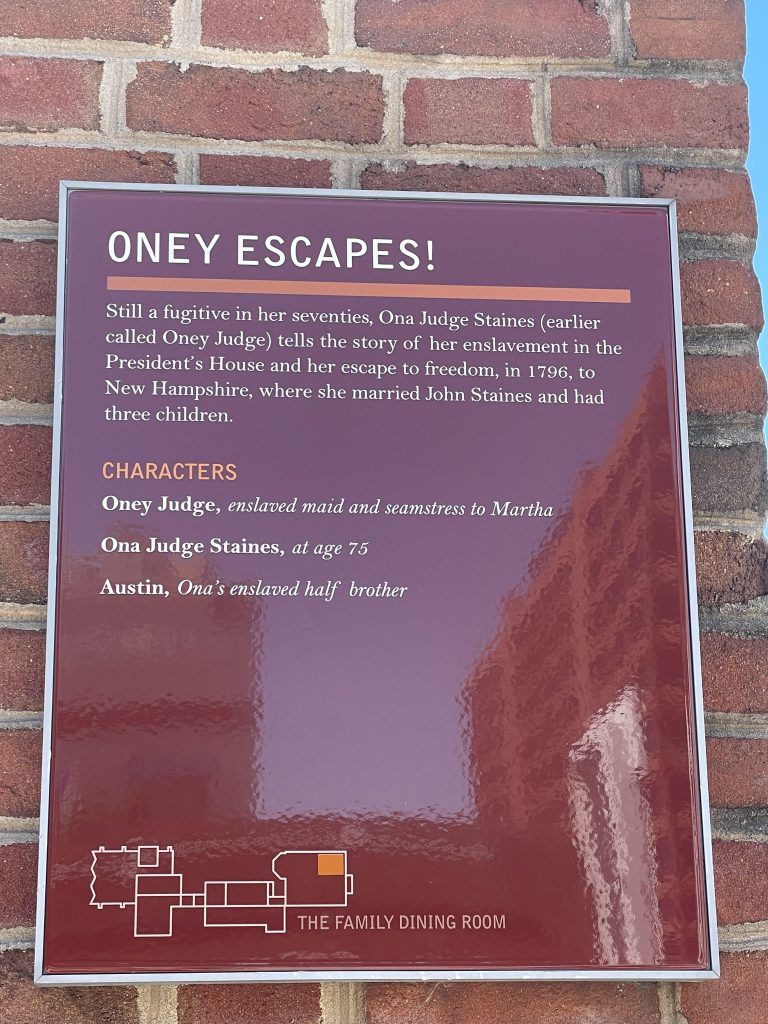
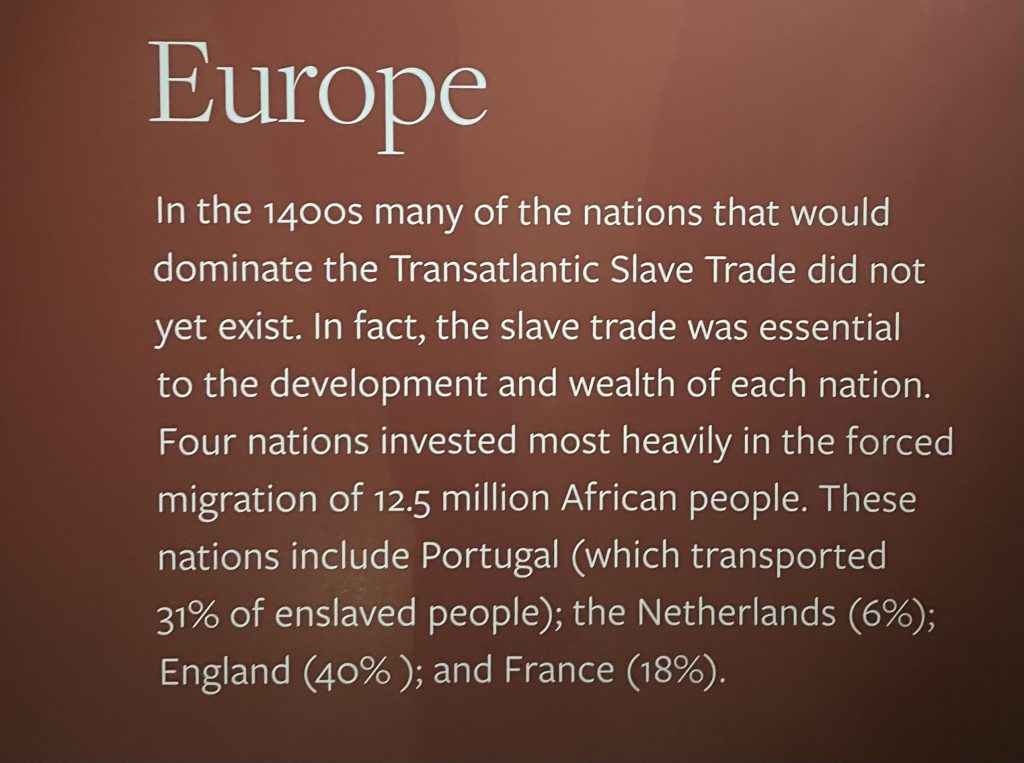
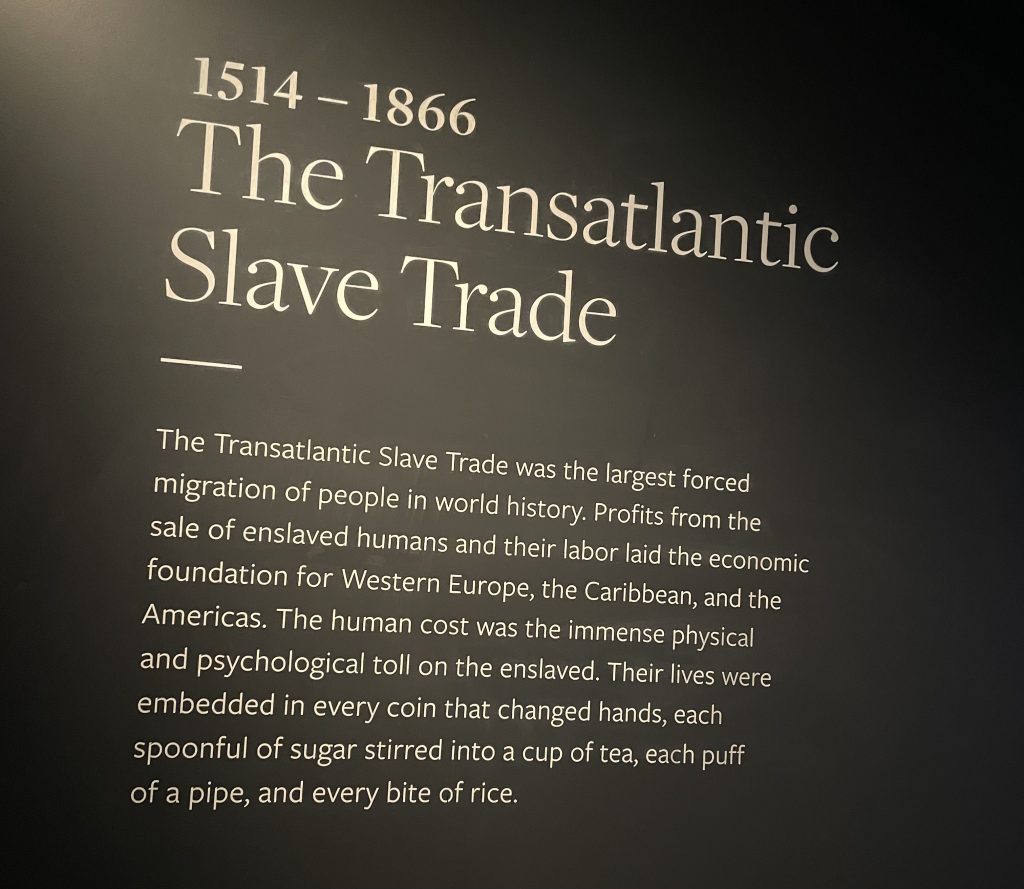
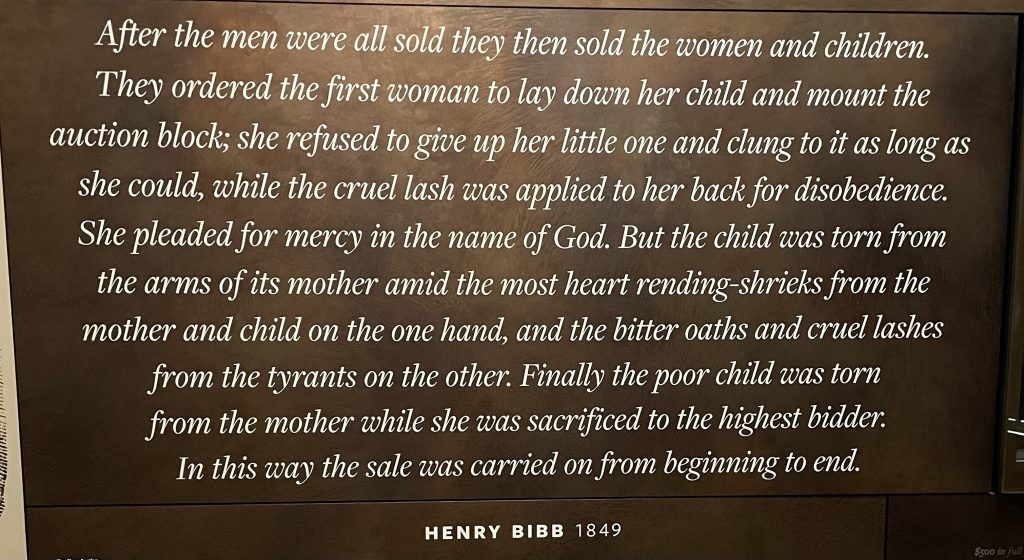
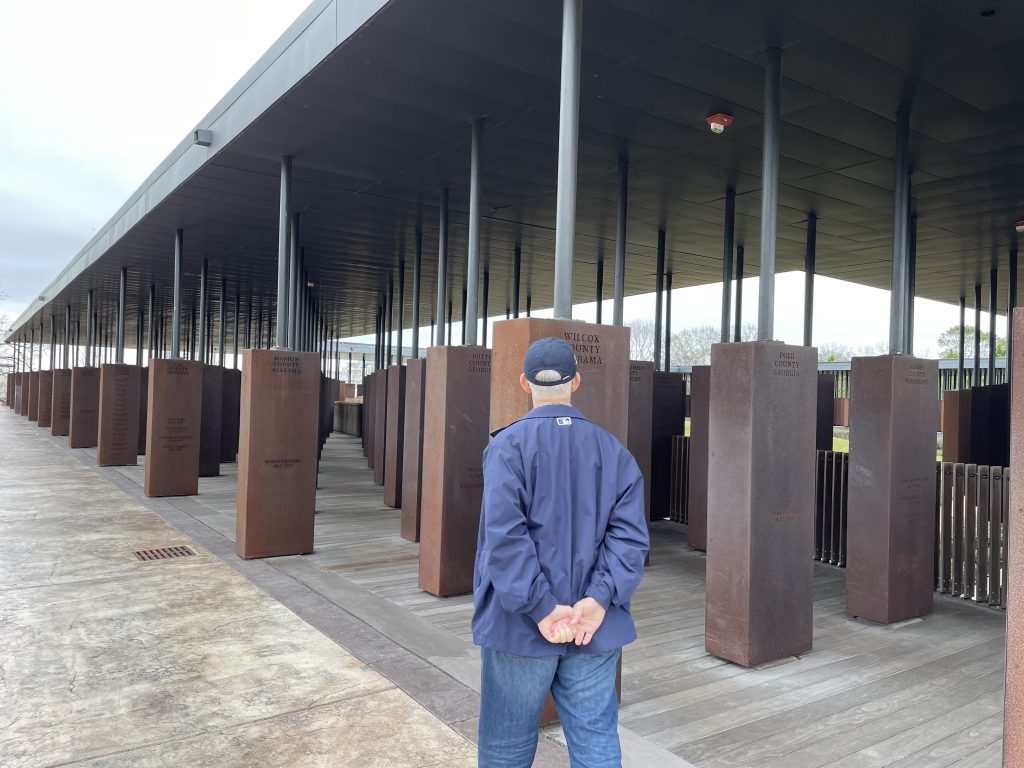
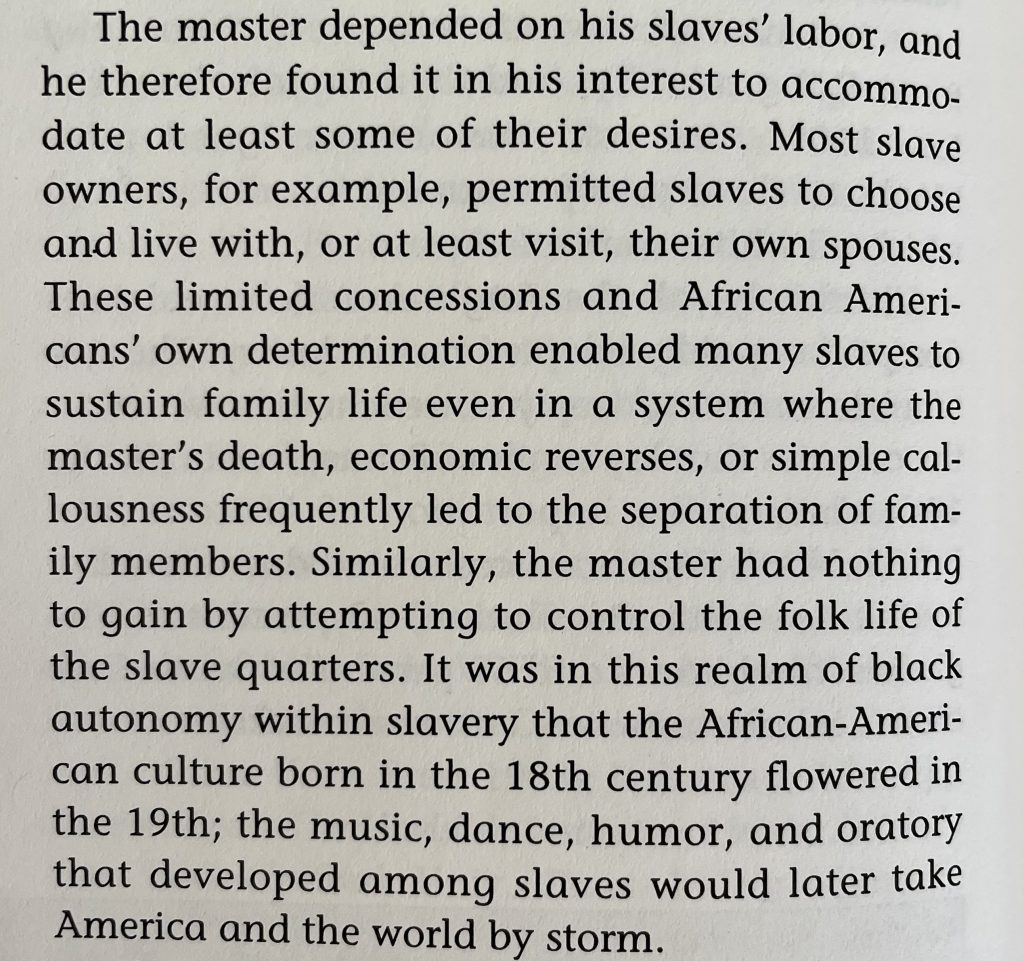 Wow, it does seem like this paragraph is saying, “those slave masters weren’t so bad.” This is the old history we were fed in school.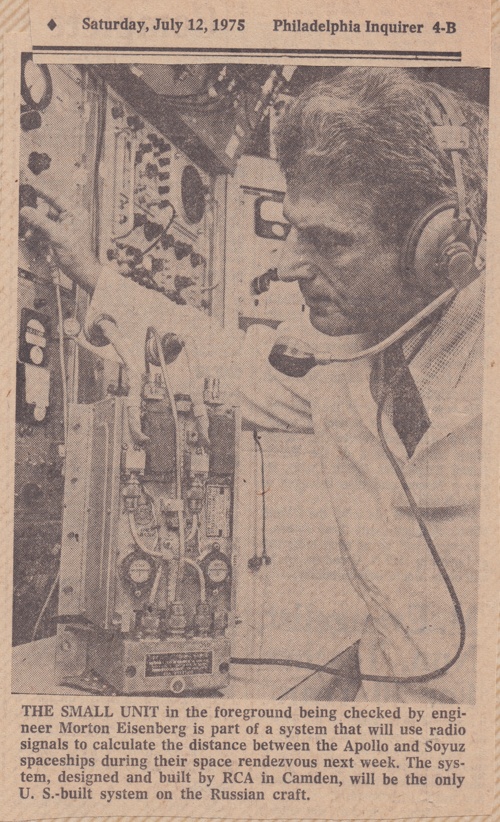
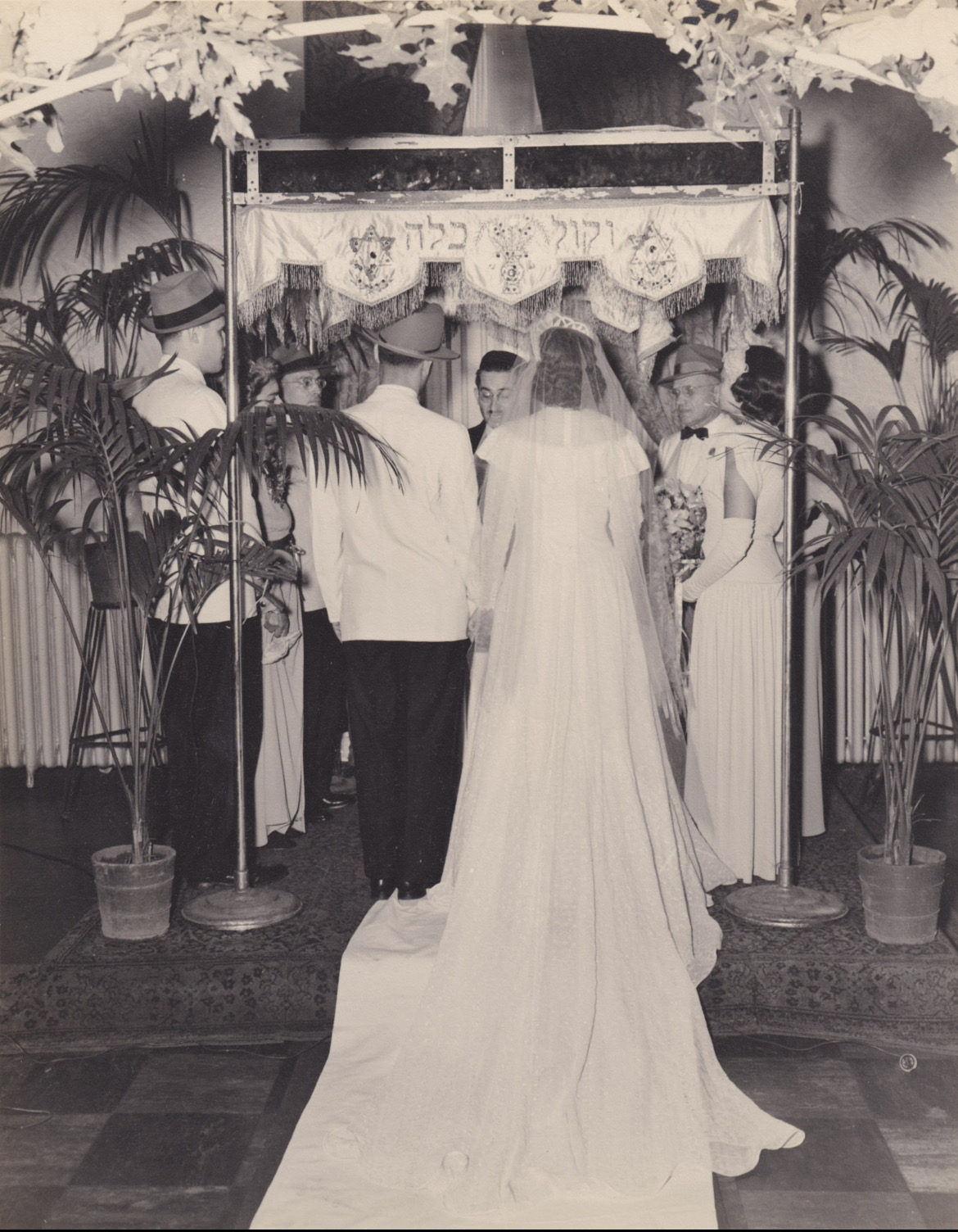
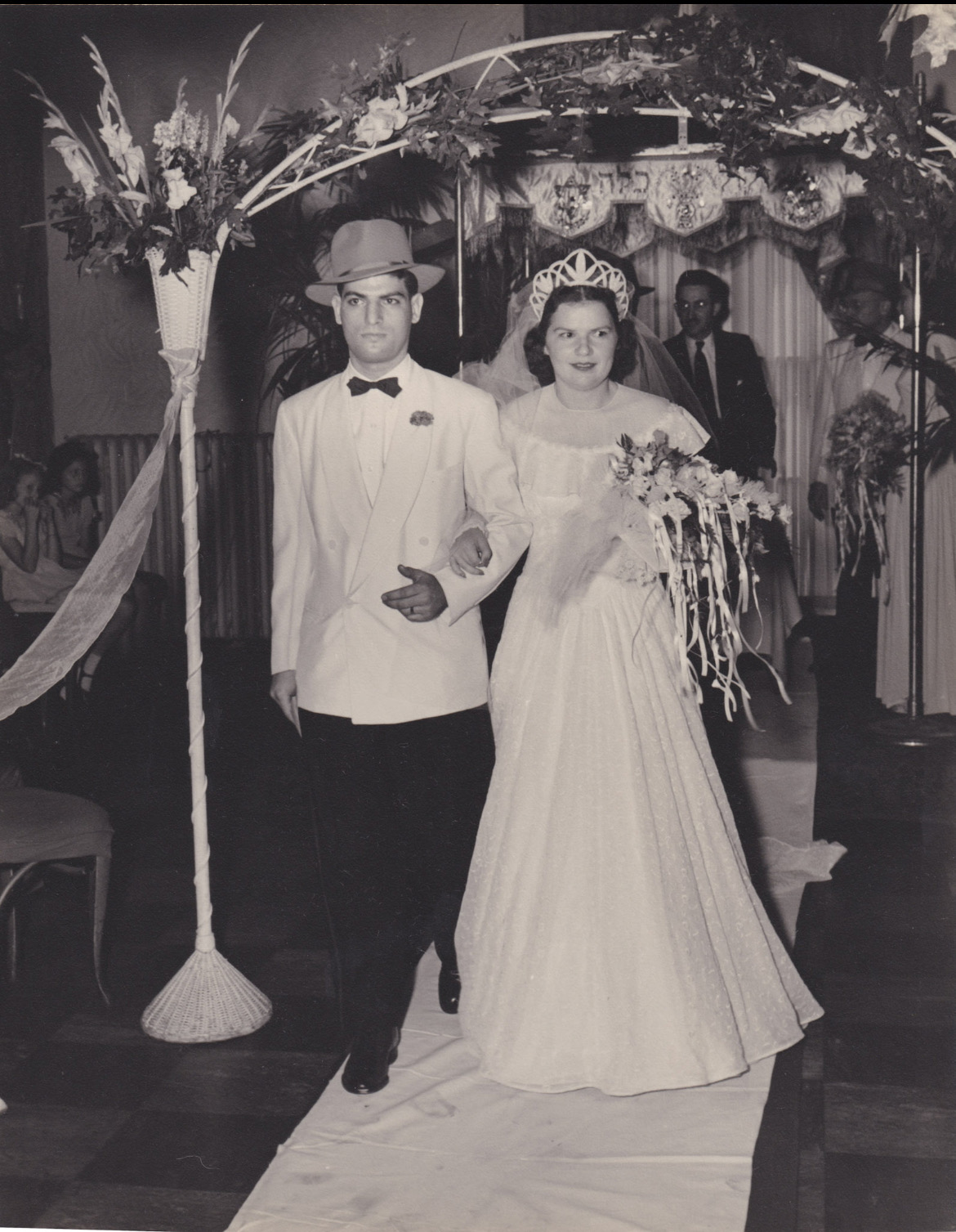
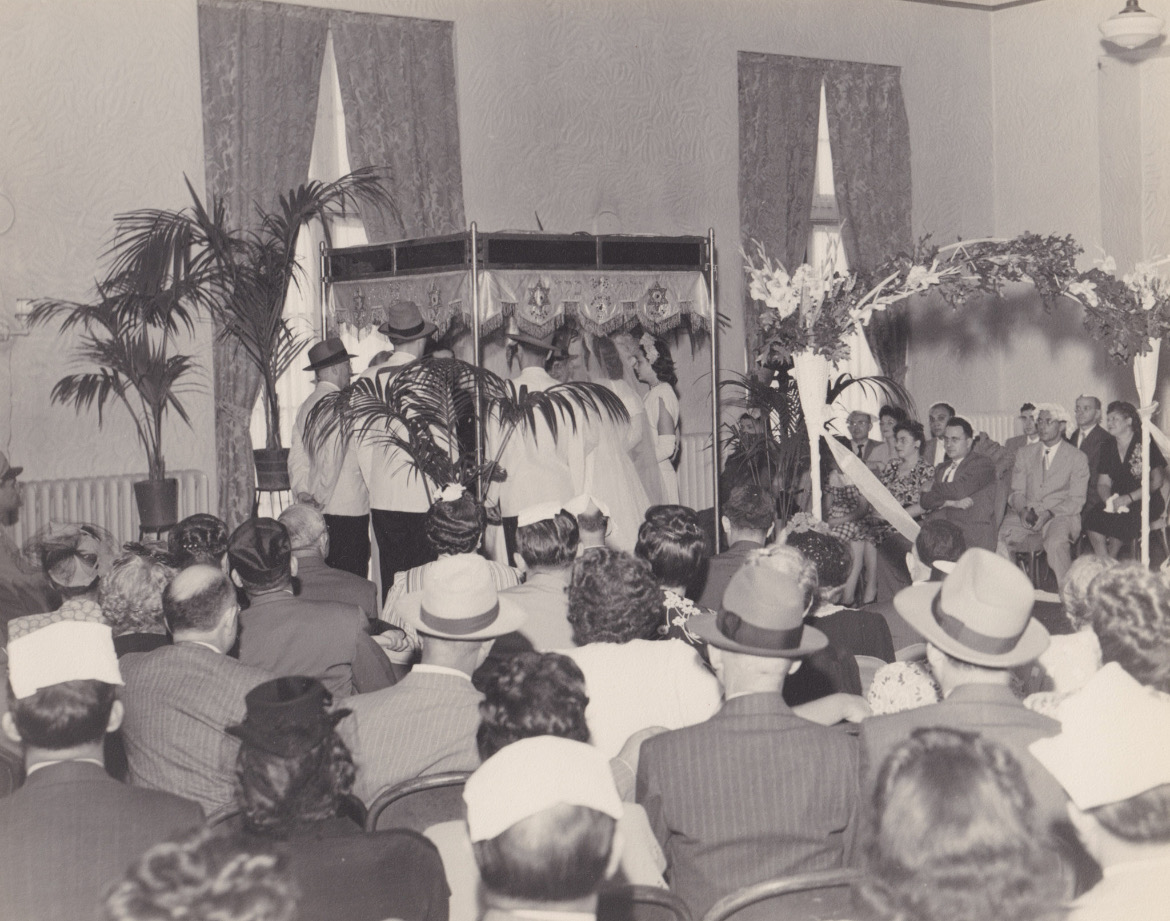
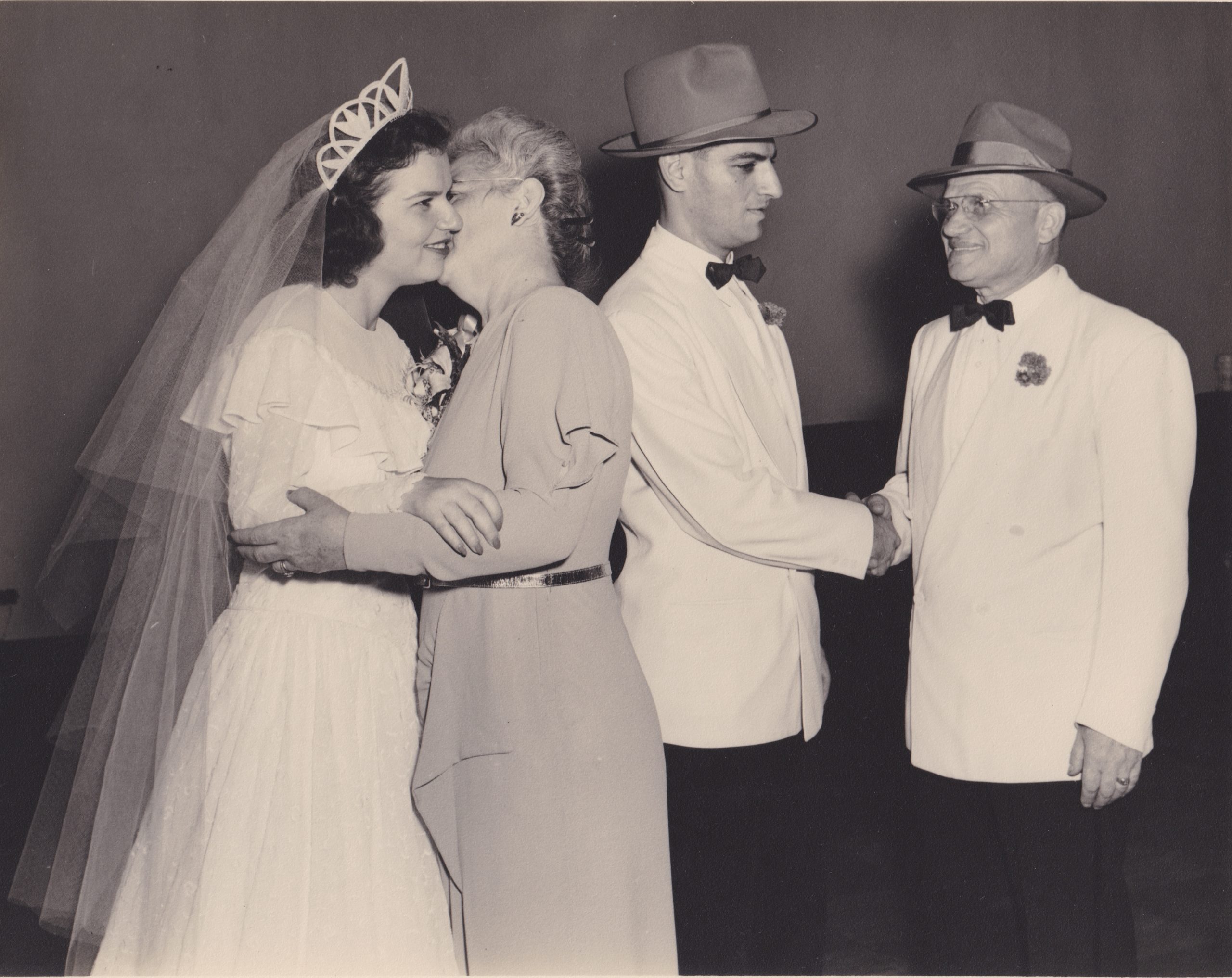
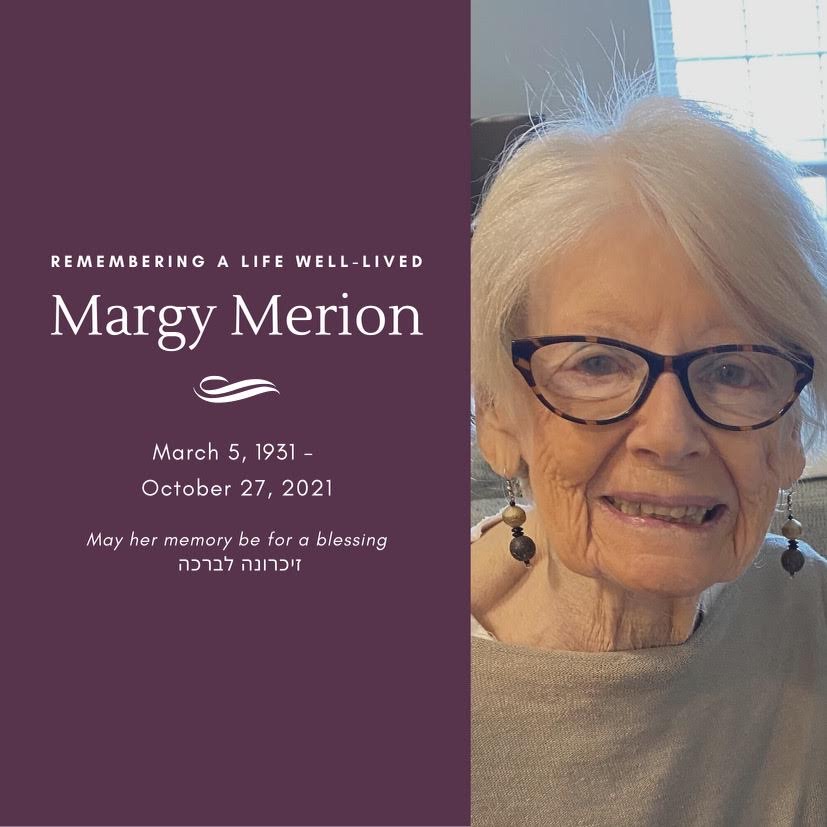
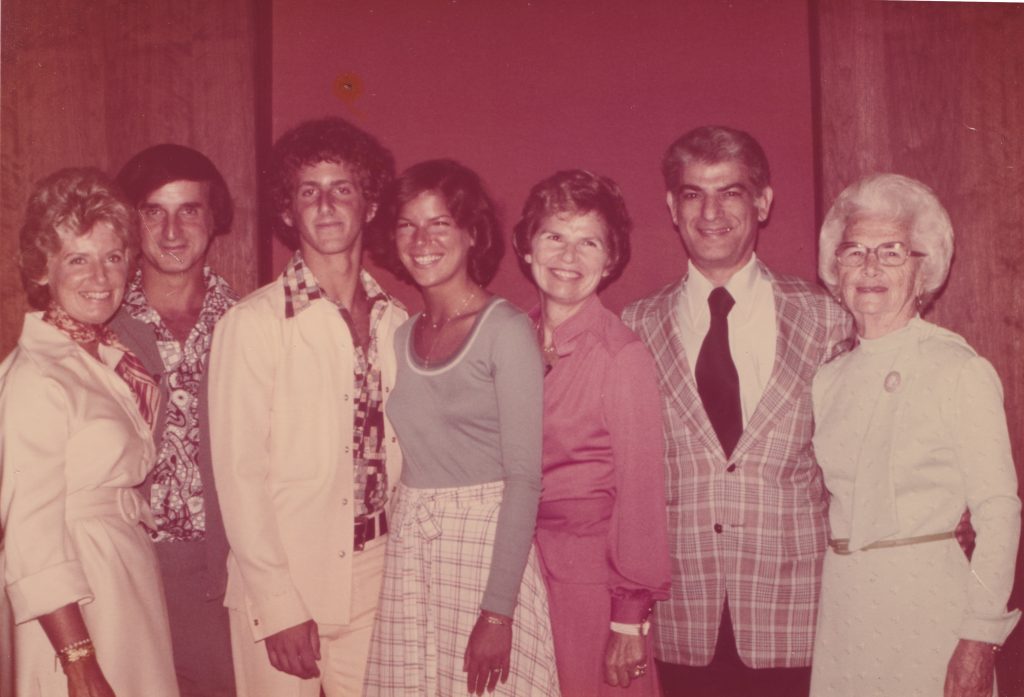
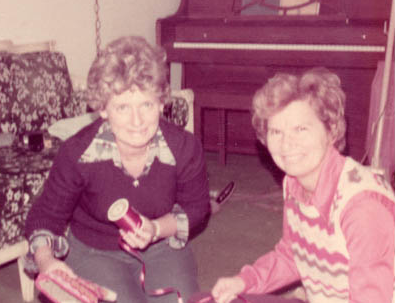
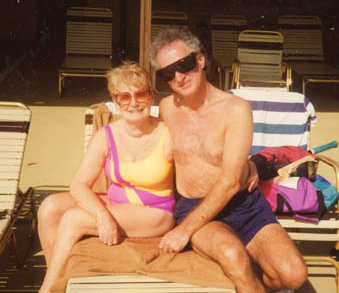
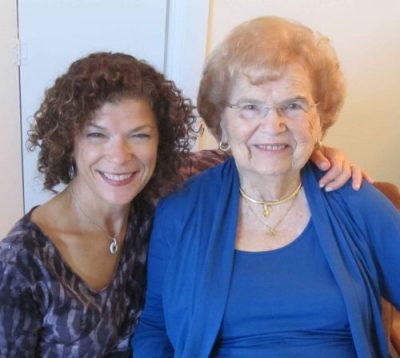
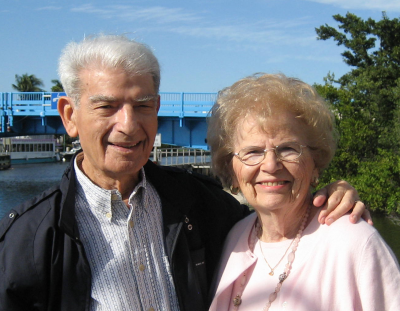
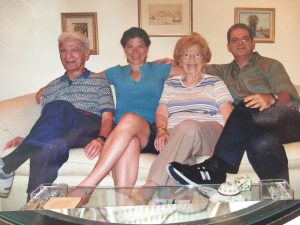 It sparks joy for me to remember my parents, Morton and Helen Eisenberg, who left us in 2013 and 2017. So I keep some of their stuff. Would Marie Kondo approve? (I might have a teensy bit too much.)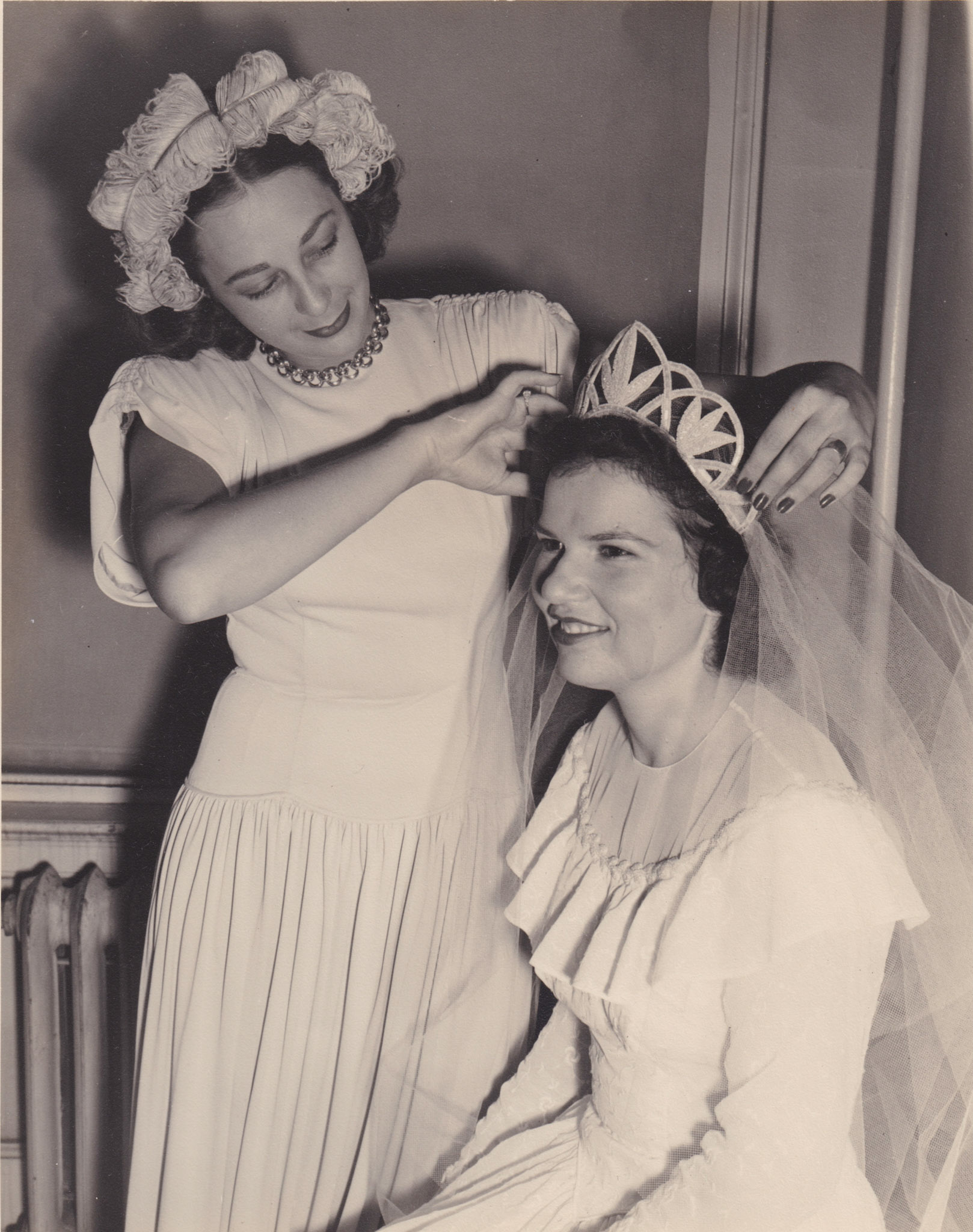



 So if you took my class fifteen years ago, please return and give your ethical will a facelift. If you never took this class, please attend! There is a registration form attached to the flyer here. It’s a free class, and you don’t need to be a member of our synagogue to attend.

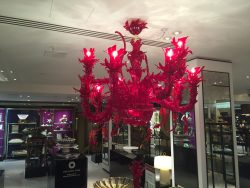
 We almost walked out the front door onto Brompton Road, but stopped when we heard a BEEP BEEP BEEP. Darn. No walking arrogantly out the door I have done in TJ Max, where the common-as-dirt alarm is another way to say “have a nice day!” A guard in a white crispy shirt and black pilot-type hat walked toward us.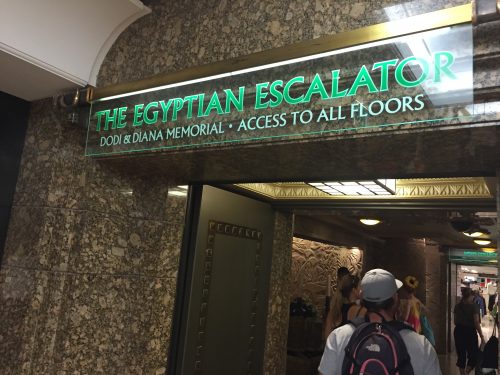

 View Debbie Merion's LinkedIn profile
#/media/File:Scourged_back_by_McPherson_&_Oliver,_1863,_retouched.jpg)